Lizzie’s Big Day — A New Children’s Book by Dr. J at Union Pediatric Dentistry

November 24th, 2025

Lizzie's Big Day - a brand new children's book from Union Pediatric Dentistry

A Heartwarming New Story to Help Kids Feel Confident at the Dentist

We’re thrilled to announce the release of Lizzie’s Big Day, a brand-new children’s book written by our very own Dr. Kaitlin Jennison! This uplifting story helps kids build confidence during their dental visit while learning what to expect at their first dental visit.

If your child ever feels nervous about going to the dentist, this book can help turn uncertainty into excitement.

What Lizzie’s Big Day Is All About

Follow Lizzie, a determined little girl preparing for her big dental appointment. Like many kids, she feels a little unsure, but with courage, curiosity, and encouragement, she discovers that she’s braver than she thinks.

Kids will learn:

  • Fun and surprising tooth facts
  • Healthy brushing habits and tips
  • That it’s okay to be nervous, and that courage grows when we try new things
  • That dental visits can be a positive and confidence-boosting experience

Lizzie’s Big Day turns the dentist into an adventure that inspires bravery and pride.

About the Author — Dr. J, Board-Certified Pediatric Dentist

The book is written by Dr. Kaitlin Jennison, a board-certified pediatric dentist dedicated to making dental visits fun, educational, and stress-free for families.

This is her second children’s book, following A Sugar Bugs Delight, a creative approach to teaching kids about cavities and oral health.

Why We Love This Book at Union Pediatric Dentistry

At Union Pediatric Dentistry, we believe in empowering children through education and encouragement, and that’s exactly what Lizzie’s Big Day is all about.

Lizzie’s Big Day helps:

  • Kids feel more prepared before a dental visit
  • Reduce anxiety and uncertainty about dental appointments
  • Build healthy lifelong smile habits
  • Make learning about teeth fun and relatable

Bring Home Lizzie’s Big Day

Lizzie’s Big Day is perfect for:

  • Bedtime reading
  • School classrooms
  • Dental-visit preparation
  • Gift-giving for young readers

You can stop by the office to pick up your very own copy of Lizzie’s Big Day children’s book, and be sure to follow us on Facebook and Instagram  to stay in the know about upcoming book-signing and story-time events with Dr. J! If your school or daycare would like a special reading of Lizzie’s Big Dayclick here to request a visit—we’d love to make it happen!

Is Thumb-Sucking Bad?

September 29th, 2021

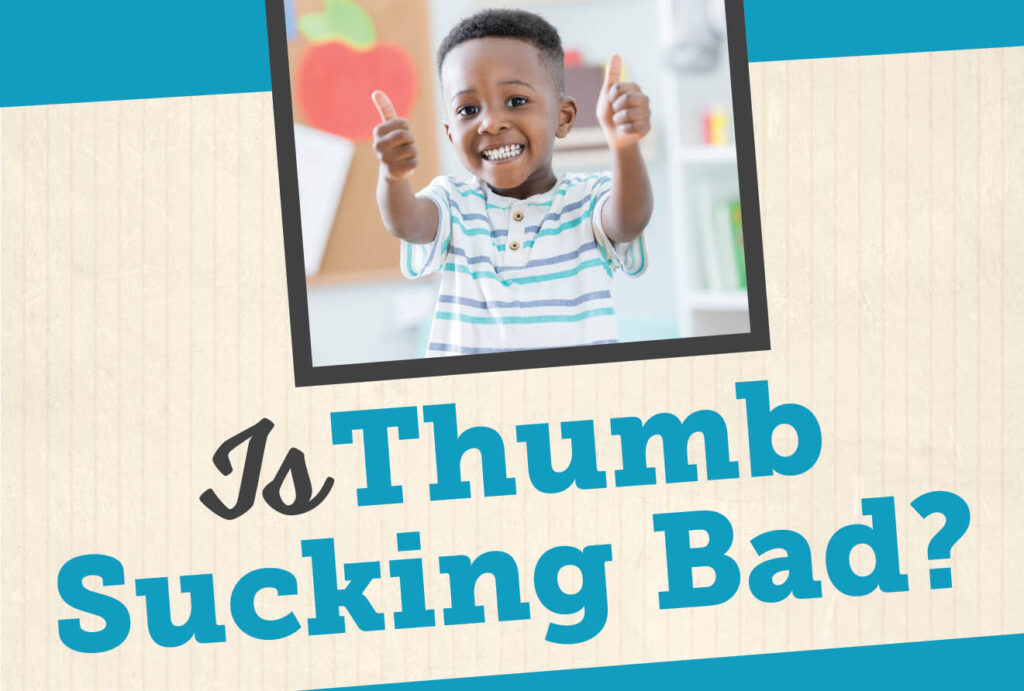
Is Thumb Sucking Bad? Union Pediatric Dentistry

Is Thumb Sucking Bad?

Sucking is a natural reflex. Infants and young children may use thumbs, fingers, pacifiers, and other objects on which to suck. It may make them feel secure and happy or provide a sense of security during difficult periods. Since thumb-sucking is relaxing, it may induce sleep.

Most thumb-sucking that persists for long periods of time can cause problems with the proper growth of the mouth and tooth alignment. How intensely a child sucks on fingers or thumbs will determine whether or not dental problems may result. Children who rest their thumbs passively in their mouths are less likely to have difficulty than those who vigorously suck their thumbs.

Usually, children stop between the ages of two and four. Sometimes, peer pressure causes many school-aged children to stop.  Children should try to stop thumb-sucking by about age three to prevent flaring of their permanent teeth.

Pacifiers are no substitute for thumb-sucking. They can affect the teeth essentially the same way as sucking fingers and thumbs. However, use of the pacifier can be controlled and modified more easily than the thumb or finger habit. If you have concerns about thumb sucking or use of a pacifier, consult with your pediatric dentist.

A few suggestions to help your child get through thumb sucking:

  • Children often suck their thumbs when feeling insecure. Focus on correcting the cause of anxiety, instead of the thumb-sucking.
  • Reward children when they refrain from sucking during difficult periods, such as when being separated from their parents.
  • Your pediatric dentist can encourage children to stop sucking and explain what could happen if they continue.
  • Consider using a sticker chart, or one of our coloring sheets to help encourage cessation of the habit.
  • If these approaches don’t work, remind the children of their habit by bandaging the thumb or putting a sock on the hand at night. Sometimes, your pediatric dentist may recommend the use of a mouth appliance.

Visit our blog for more tips on how to help your child beat thumb-sucking and pacifiers.

Is It Okay To Use A Pacifier?

August 31st, 2021

Most children often suck on fingers, thumbs, pacifiers, and other objects as a way to calm themselves. Sucking, a natural reflex, helps children feel happy and provides a sense of security, especially during stress. Because it is calming, sucking can relax a child to sleep.

Prolonged pacifier use, or thumb-sucking, can cause orthodontic problems such as open bites, crossbites, and flared front teeth. Pacifier usage is often an easier habit to break in a child. For this reason, if your child begins to develop a consistent sucking habit, we recommend that you encourage your infant away from thumbs (or fingers) and towards a pacifier.

Remember to keep pacifiers clean and sterilized often to avoid infections or bacterial growth.

What types of pacifiers are okay?

There are many types of pacifiers, but they are not all equal. Make sure you look for an orthodontic pacifier which is flattened on the bottom and rounded on top. This reduces pressure on the gums and allows the baby's tongue to move naturally. Additionally, heavier pacifiers, like those with a stuffed animal attached, tend to cause more flaring of the teeth due to the pressure from the weight.

Changing your child's habits

  • Only let your child have their pacifier at bedtime or to calm them down when upset.
  • Remove the pacifier from their mouth when they are playing or watching TV and gently remind your child it is for bed time. Don't let them walk around with it in their mouth.
  • Often children will use a pacifier or suck their thumb while snuggling a comfort item, like a special blanket or stuffed animal. Try to limit access to the comfort item if necessary.
  • Make it fun! Remember positive reinforcement is a great way to encourage kids to change their habits. Check out our free printable calendar and coloring sheets.

Click here for additional tips on how to help your child stop using a pacifier, or thumb-sucking.

Cleaning Baby's Teeth & Gums

August 23rd, 2021

Cleaning baby's teeth and gums

Did you know that good oral hygiene begins early? Even before your baby’s first tooth appears, the gums can benefit from your careful attention.

Caring for Gums

After breast- or bottle-feeding, wrap one finger with a clean, damp washcloth or piece of gauze and gently rub it across your baby’s gum tissue. This practice both clears your little one’s mouth of any fragments of food and begins the process for building good daily oral care habits. As your baby continues to grow, consider carefully what you put in your child's bottle or sippy cup especially at bed time.

Baby’s First Tooth

When that first tooth makes an entrance, it’s time to upgrade to a baby toothbrush. There are usually two options: a long-handled toothbrush that you and your baby can hold at the same time, and a finger-puppet-like brush that fits over the tip of your pointer finger. In each case, the bristles are soft and few. Regularly cleaning baby's teeth helps establish this habit from an early age.

Under age three, we recommend using a grain of rice sized amount of fluoride toothpaste.  During the teething process, your child will want to chew on just about anything, and a baby toothbrush with a teether can become a favorite toy during this period.

Proper oral hygiene begins early and works great when parents make cleaning baby’s teeth a daily part of their routine from early on. These tips should help your child  should build the habits that make a grand slam smile!

blimp